Kosher Food Certification
Delivering Quality with Kosher Certification – Trustworthy Standards, Expansive Reach!
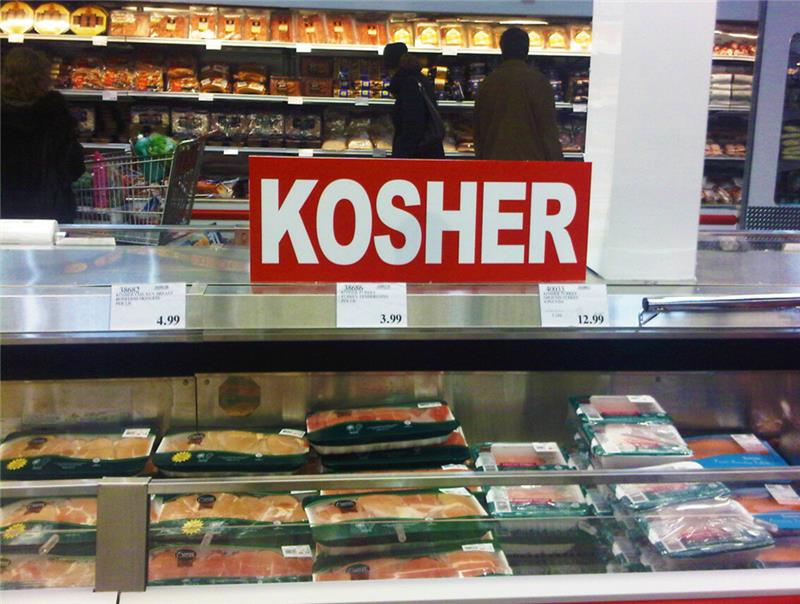
The idea behind kosher is simple: certain foods are considered fit to eat under Jewish law. Still, the way these rules are applied in the ultramodern food world is far more detailed than most people realize. A full kosher inspection doesn’t stop at the main ingredients; it digs into every minor component, the cleaning materials used on equipment, the source of additives, and even how storage areas are organized. This level of precision is actually what makes kosher certification so appealing to a wide range of consumers. People like knowing that a trained expert has looked at the entire process, not just the final product. The trust comes from the thoroughness behind the scenes.
When shoppers see a kosher symbol, they frequently artificially feel more comfortable choosing that product. They may not know every detail of what 'kosher' means, but they know that an advanced position of oversight was involved.
Numerous distributors and retailers, especially in regions similar to North America, Israel, and the corridor of Europe, laboriously look for kosher-pukka products. Without the instrument, brands can find themselves barred from shelves they would otherwise qualify for.
Kosher products frequently attract people with food disinclinations, families looking for cleaner markers, individualities who avoid certain complements, and some insectivores and insectivores (for specific Kosher orders). Indeed, those who aren’t following a particular diet frequently choose kosher simply because it feels like a safer, cleaner choice.
When a business invests in a kosher instrument, it signals a commitment to translucency and high norms. It shows that the company is willing to have outlanders corroborate its processes rather than policing itself.
A company starts by participating in its product lists, constituents, supplier details, and product styles. This helps instrument experts understand the compass of the operation.
A kosher administrator, frequently called a mashgiach, visits the factory to inspect equipment, storage habits, sanitation practices, and cross-contamination risks.
Every component is reviewed, including stabilizers, colorings, and minor additives. Guidance is provided if any ingredient does not meet kosher norms.
Factories may separate production lines, introduce special cleaning schedules, or reorganize raw material storage to meet kosher standards.
Once compliance is achieved, certification is granted and reinforced through periodic inspections to maintain standards.
Businesses that go through the certification process often discover advantages that go well beyond the original goal. Clearer internal procedures due to stricter component monitoring. Advanced reliability, which helps retailers create trust with their customers. Wider distribution openings, including import channels that prefer pukka goods. A further religious consumer base, notably among shoppers who value strict quality control. It becomes more than just a logo; it becomes part of a brand’s identity.
No business FAQs available.
Quality Management System :
Unlock Quality Excellence with ISO 9001:2015“ Your Path to Superior Management!
Environmental Management System :
Build a Greener Tomorrow with ISO 14001:2015“ Your Guide to
Sustainable Success!
Information Security Management System (ISMS)
Secure Your Information, Secure Your Future with ISO 27001:2022!
Get in touch with our expert consultants to begin your journey to compliance and operational excellence.
Request Consultation