Halal Food Certification
Ensuring Trust, Purity, and Compliance with Halal Certification!

Halal certification is an official recognition that a product or service complies with Islamic dietary laws (Shariah). It applies to food, beverages, pharmaceuticals, cosmetics, packaging materials, logistics, and hospitality services. The certification ensures that all raw materials, processing steps, storage, transportation, and labeling meet Halal requirements. Halal certification emphasizes ethical sourcing, hygiene, safety, and consumer trust. It is increasingly recognized as a mark of quality and integrity in both food and non-food industries worldwide.
Builds confidence among Halal-conscious customers.
Required to enter Muslim-majority markets.
Ensures purity and Shariah-compliant processing.
Prevents cross-contamination with non-Halal products.
Accepted by global buyers and consumers.
Enhances ethical and responsible brand image.
Maintains clear records of ingredients, suppliers, and processes.
Defines processes to minimize risks and errors.
Helps comply with national food and safety regulations.
Opens new markets and customer segments for Halal products.
Meats, dairy, bakery items, snacks, and drinks.
Capsules, syrups, supplements, and medicines.
Skincare, makeup, and fragrances.
Food-contact packaging and containers.
Halal-compliant storage and transport.
Preparation and handling of Halal meals.
Halal food and medicines for patients.
Certified goods for international markets.
Halal-certified product lines for consumers.
Simplified Halal compliance packages.
Halal certification introduces structure and discipline into everyday operations. Procurement teams choose certified Halal suppliers. Production employees follow defined handling and cleaning procedures. Storage and logistics teams maintain segregation and labeling of products. Regular inspections and recordkeeping help identify risks early. Training ensures all staff understand Halal responsibilities from day one. Over time, Halal certification fosters a culture of purity, ethical production, and accountability.
A: Not legally required in all countries, but widely requested by buyers, retailers, and consumers.
A: Yes. Small manufacturers can implement simplified Halal compliance systems.
A: Ingredient lists, supplier certificates, process flow charts, cleaning records, and audit logs.
A: Typically one year, with surveillance audits conducted annually.
A: Management provides resources, sets policies, ensures training, and maintains ongoing compliance.
Halal certification is a reliable and structured system to ensure product purity, ethical sourcing, and consumer confidence. It is more than a label; it governs sourcing, production, storage, and distribution practices. When implemented correctly, Halal Certification enhances trust among consumers, buyers, and regulators. It also contributes to sustainable business growth and market expansion in Halal-sensitive markets.
Quality Management System :
Unlock Quality Excellence with ISO 9001:2015“ Your Path to Superior Management!
Environmental Management System :
Build a Greener Tomorrow with ISO 14001:2015“ Your Guide to
Sustainable Success!
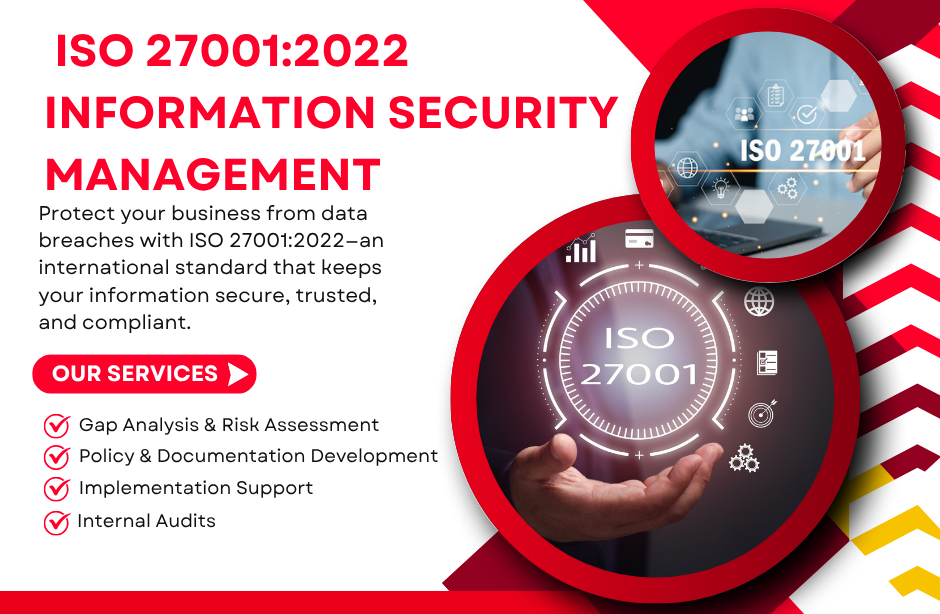
Information Security Management System (ISMS)
Secure Your Information, Secure Your Future with ISO 27001:2022!
Get in touch with our expert consultants to begin your journey to compliance and operational excellence.
Request Consultation