Food & Drug Authority Compliance
Unlock U.S. Market Potential with Expert FDA Compliance Solutions!
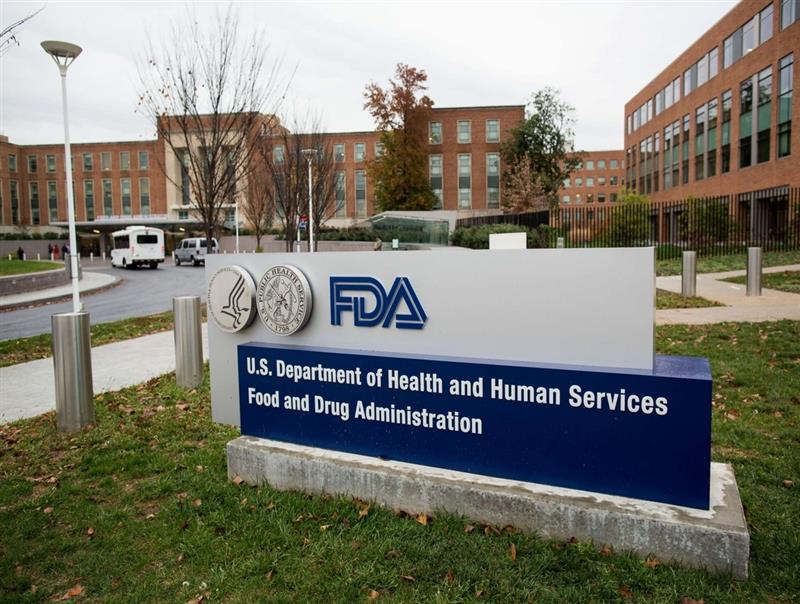
FDA compliance is the legal and regulatory requirement to meet the standards established by the U.S. Food and Drug Administration (FDA) for products entering the United States market. It ensures that food, pharmaceuticals, cosmetics, medical devices, dietary supplements, and other regulated products are manufactured, stored, labeled, and distributed safely. FDA regulations focus on preventive controls, scientific risk assessment, and continuous monitoring to protect public health. All manufacturers, exporters, packagers, warehouses, logistics providers, and distributors handling FDA-regulated products may fall under these requirements. FDA compliance is globally recognized and often serves as a benchmark for international trade and quality assurance. Achieving FDA compliance allows organizations to legally access the U.S. market while ensuring product safety and consumer trust.
Prevents health, safety, and contamination risks through preventive controls.
Ensures adherence to U.S. federal laws and FDA regulations.
Mandatory requirement for exporting FDA-regulated products to the United States.
Formalizes manufacturing, storage, and distribution procedures to reduce errors.
Enables accurate tracking of raw materials, batches, and shipments.
Integrates smoothly with ISO 9001, ISO 22000, HACCP, and GMP systems.
Reduces waste, rework, recalls, and delays.
Improves response to emergencies, recalls, and compliance failures.
Encourages audits, reviews, and compliance-based enhancements.
FDA compliance significantly boosts customer and buyer confidence.
Ingredient control, allergen management, hygiene, and food labeling.
cGMP compliance, batch release, stability testing, and documentation.
Ingredient safety, labeling accuracy, and claim verification.
Risk management, traceability, sterilization, and quality systems.
Purity, potency testing, and compliant marketing claims.
Food-contact safety and material compliance verification.
Temperature control and transport documentation.
FDA registration, U.S. agent services, and shipment clearance.
Storage controls, traceability, and recall readiness.
Simplified GMP-based compliance frameworks.
FDA compliance brings discipline and consistency into everyday manufacturing, storage, and distribution activities. Standard Operating Procedures guide employees in cleaning, handling, labeling, and production tasks. Ongoing testing, monitoring, and inspections ensure processes remain under control. Internal audits help detect non-conformities early, preventing costly violations. Employee training builds awareness of safety and regulatory responsibilities from day one. Over time, FDA compliance establishes a strong culture of quality, accountability, and consumer protection.
A: Yes. FDA compliance is required for all regulated products entering the U.S. market.
A: Yes. Small exporters and manufacturers can comply using simplified GMP systems and documentation.
A: Batch records, test reports, labeling files, supplier certifications, and preventive control plans.
A: Inspection frequency depends on product risk, compliance history, and regulatory category.
A: Management sets policies, provides resources, and drives continuous compliance improvement.
FDA compliance provides a structured and reliable framework for ensuring product safety, regulatory acceptance, and U.S. market access. It is not just documentation but an active system that governs manufacturing, testing, labeling, and distribution. When correctly implemented, FDA compliance builds trust with consumers, regulators, and business partners while enabling organizations to grow confidently in the U.S. market.
Quality Management System :
Unlock Quality Excellence with ISO 9001:2015“ Your Path to Superior Management!
Environmental Management System :
Build a Greener Tomorrow with ISO 14001:2015“ Your Guide to
Sustainable Success!
Information Security Management System (ISMS)
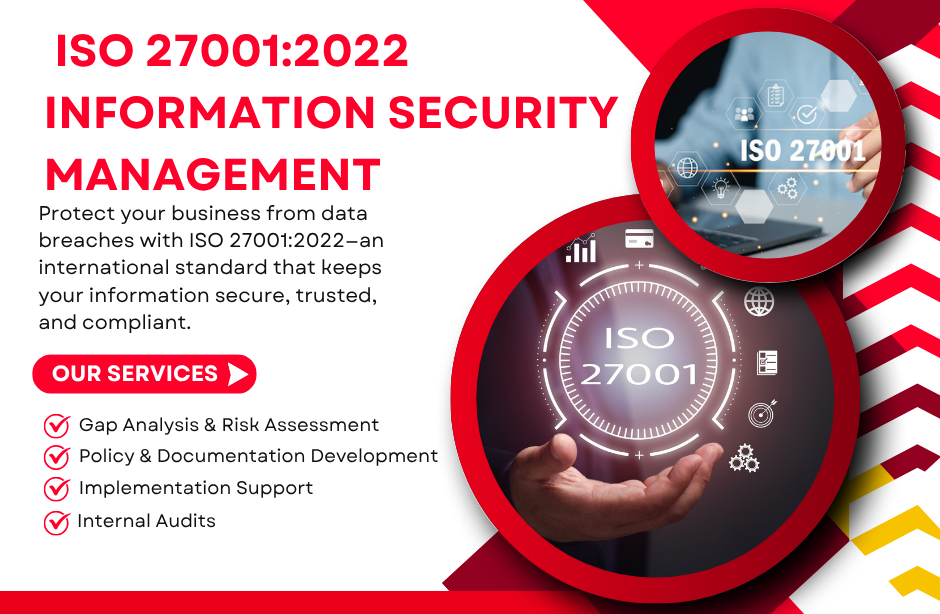
Secure Your Information, Secure Your Future with ISO 27001:2022!
Get in touch with our expert consultants to begin your journey to compliance and operational excellence.
Request Consultation